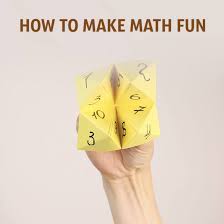
Mathematics often carries a reputation for being a challenging, sometimes tedious subject. However, with the right strategies and creative approaches, it can be transformed into an engaging and enjoyable experience for learners of all ages. In this blog post, we’ll explore various methods to make math fun, from kindergarten through high school, and even into adulthood. Whether you’re a teacher, parent, or student, these ideas will infuse joy and excitement into your mathematical journey.
For the Young Mathematicians: Making Math Fun in Early Education
The foundation of a child’s math education is crucial. It sets the tone for their perception and attitude towards the subject in the future.
5th Graders
Making math fun for 5th graders involves hands-on activities and real-world applications. Projects like building simple machines to understand basic physics or using fractions while cooking can make math tangible and exciting.
1st and 3rd Graders
For younger kids, such as those in 1st or 3rd grade, turning math into a game can be particularly effective. Consider activities like math bingo or interactive online games (like those on ST Math) to transform learning into an adventure.
Fun with Algebra and Higher Mathematics
As students advance, the concepts become more abstract. Here’s where creativity comes in handy.
- Algebra: To make algebra fun, introduce puzzles and problem-solving games that require algebraic thinking. Tools like Algebra Touch can also help demystify the subject.
- High School Math: In high school, making math class fun can involve applications in technology and real-life scenarios, like using statistical analysis in sports or understanding the math behind computer games.
Math Fun in the Digital Age
In the era of technology, digital resources have become invaluable.
- Programming: Learning how to make math function in Python or other programming languages can be a thrilling way for students to see the practical applications of math.
- Online Communities: Platforms like the math subreddit (for how to make math fun Reddit) offer a space for students to explore math in a community setting, exchanging tips and tricks.
Incorporating Fun in the Math Classroom
Teachers have a pivotal role in shaping students’ attitudes towards math.
- Interactive Lessons: Turn traditional lectures into interactive sessions. Making math lessons fun might involve using technology, like interactive whiteboards, or incorporating storytelling into lessons.
- Group Work: Encourage teamwork with group challenges or math-related games, fostering a sense of camaraderie and shared purpose.
Making Math Practice at Home Enjoyable
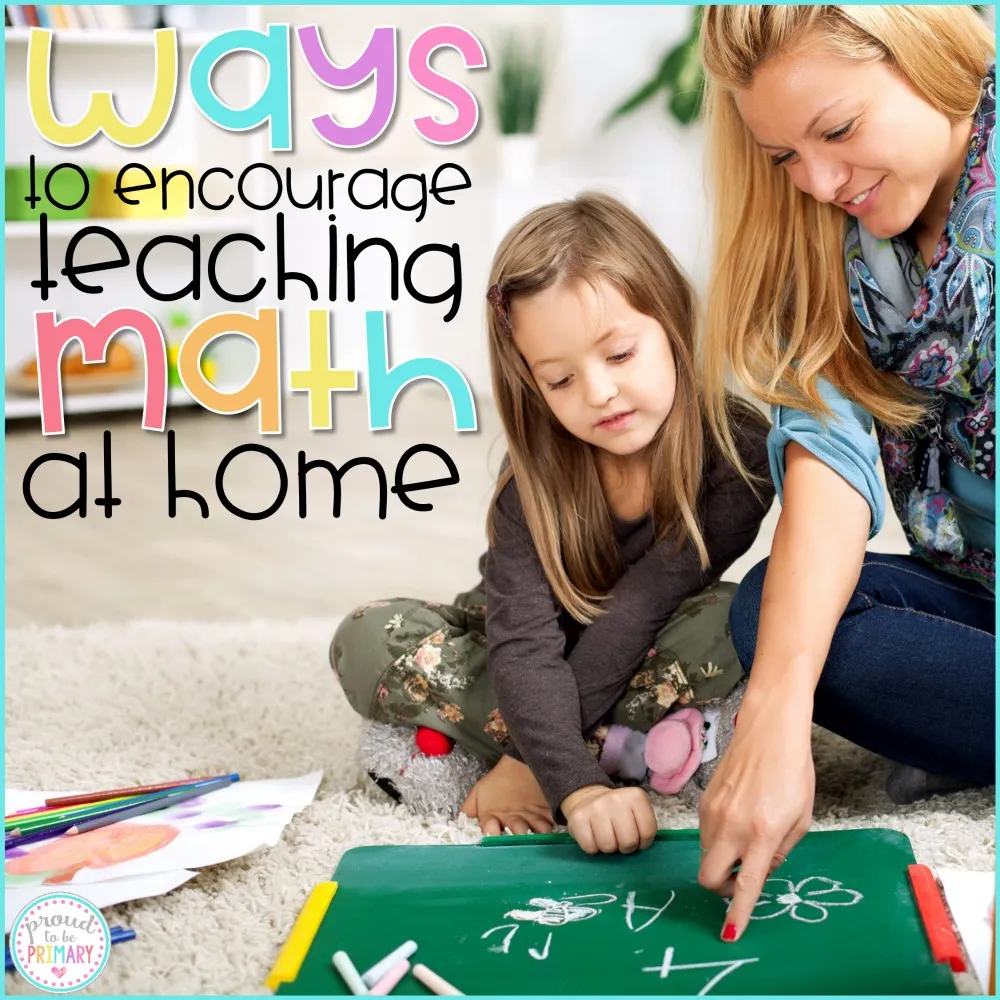
Parents can support their children’s math education by making practice enjoyable at home.
- Math in Daily Life: Show kids how to have fun with math by involving them in budgeting, DIY projects, or even sports statistics.
- Educational Games and Apps: Utilize apps and games to make math practice fun. For younger kids, websites like Math Playground offer a variety of games that make learning engaging.
Special Focus: Math for Different Age Groups
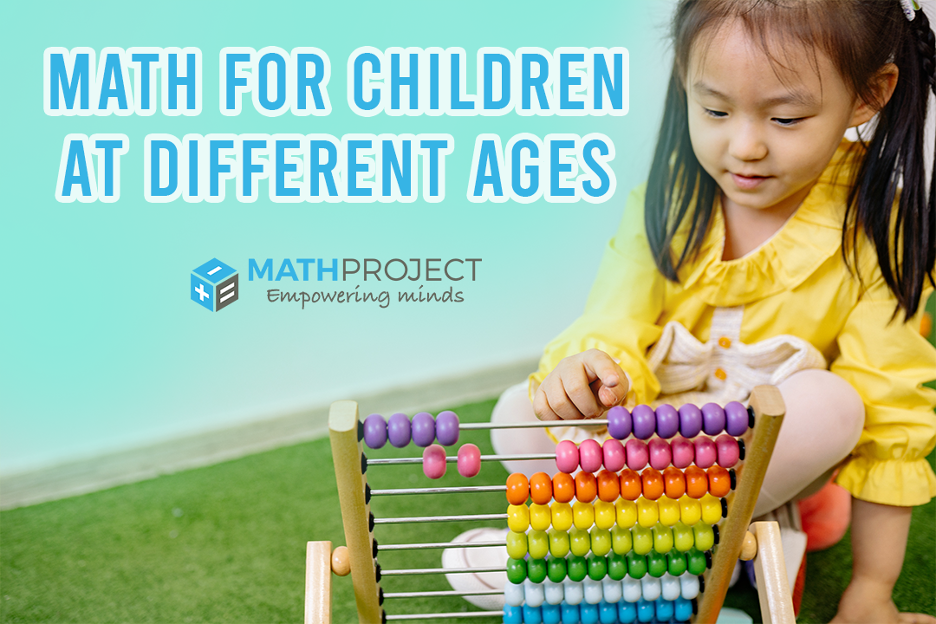
Understanding the developmental stages and interests of various age groups can significantly enhance the effectiveness of making math fun.
6-Year-Olds and 9-Year-Olds
For younger children, such as 6-year-olds or 9-year-olds, math can be integrated into play. Storytelling that involves numbers, simple puzzles, and games that incorporate basic math concepts like counting, addition, and subtraction can make math a delightful experience. Websites like CoolMath4Kids offer resources tailored to this age group.
Middle School Math
As students enter middle school, making 6th-grade math and 8th-grade math fun becomes crucial in maintaining their interest in the subject. This can be achieved through projects that involve math in music, art, or technology. Interactive math scavenger hunts or math-related challenges can also be a hit.
High Schoolers
For high school students, connecting math to their future aspirations can be a game changer. Discussing how math is used in various careers, or having guest speakers from different professions, can illuminate the real-world relevance of math.
Beyond the Classroom: Math in Everyday Life
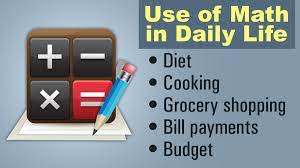
Making math a part of everyday life can demystify the subject and show its practical and fun side.
- Cooking and Baking: Involve kids in cooking to teach fractions, ratios, and proportions.
- Shopping: Use budgeting and price comparisons to teach basic arithmetic and percentages.
The Role of Technology in Making Math Fun
Technology, when used wisely, can be a powerful tool in making math engaging.
- Apps and Online Tools: Utilize educational apps and tools that turn math problems into interactive games. For instance, Prodigy Math Game offers a game-based learning platform that’s very popular among younger students.
- Virtual Reality: Emerging technologies like VR can offer immersive math learning experiences that are both educational and entertaining.
Creative Assessments and Reviews
Changing how we assess math understanding can also contribute to making math more enjoyable.
- Creative Projects: Instead of traditional tests, consider projects that allow students to apply math concepts in creative ways.
- Math Fairs: Organize math fairs where students can showcase their projects and learn from each other.
Parental Involvement in Math Fun
Parental involvement is key in reinforcing a positive attitude towards math.
- Math Games at Home: Engage in board games that involve math skills.
- Everyday Math Talks: Have casual conversations about math in day-to-day contexts.
Math and Humor: An Unlikely Duo
Never underestimate the power of humor in learning.
- Math Jokes and Puns: Lighten the mood with math-related humor.
- Funny Math Stories: Share amusing stories or anecdotes that involve math.
Tailoring Math Fun to Individual Interests
A one-size-fits-all approach rarely works in education, and this is particularly true for mathematics. Personalizing math experiences can significantly increase engagement and enjoyment.
- Sports and Math: For students interested in sports, integrating math through sports statistics or game strategies can be a powerful tool.
- Art and Geometry: Students with a knack for art might find geometry more interesting when linked with drawing, design, and symmetry.
Community Engagement and Math Fun
Involving the larger community can provide a broader perspective on the utility and enjoyment of math.
- Math Competitions: Organize or participate in math competitions or Olympiads. These events can be exhilarating and provide a sense of achievement.
- Community Projects: Engage students in community projects involving budgeting, planning, or analysis, showing math’s practical value.
Integrating Literature and History in Math
Math is not isolated from other disciplines. Integrating it with subjects like literature and history can make it more relatable and intriguing.
- Historical Context: Discuss the history of certain math concepts or famous mathematicians to add depth and storytelling to math lessons.
- Literature-Based Math Problems: Use stories or novels as the basis for math problems, making them more engaging and context-rich.
Emphasizing the “Why” in Math
Understanding the purpose behind math concepts can make learning them more enjoyable and meaningful.
- Real-World Applications: Always link math concepts to their real-world applications. Knowing how math impacts daily life can increase students’ interest.
- Problem-Solving Skills: Highlight how math enhances critical thinking and problem-solving skills, valuable in all areas of life.
Celebrating Math Achievements
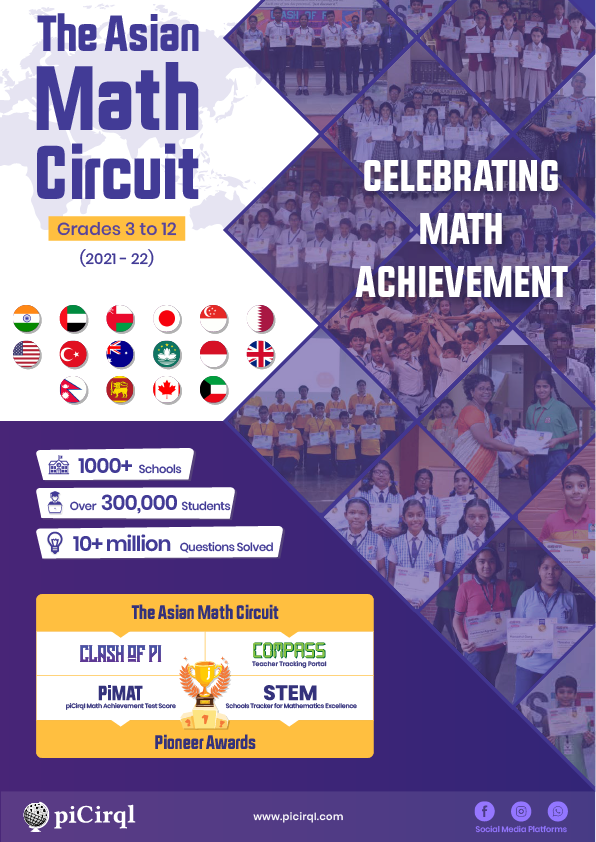
Recognizing and celebrating progress and success in math can boost confidence and enjoyment.
- Math Awards: Have regular award ceremonies to honor achievements in math.
- Showcase Work: Create opportunities for students to showcase their math projects or problem-solving processes.
Continuous Learning and Adaptation
Finally, it’s crucial for educators and parents to keep learning and adapting new methods to make math fun. What works one year might not work the next, and each student is unique.
- Professional Development: Teachers should engage in continuous professional development to learn new, fun ways to teach math.
- Feedback Mechanisms: Implement regular feedback mechanisms with students to understand what they enjoy and what can be improved in math lessons.
Conclusion
The journey of how to make math fun is about being creative, open-minded, and willing to integrate math into everyday life in a playful and engaging way. Whether it’s through games, real-life applications, digital tools, or interactive classroom activities, the possibilities are endless. By fostering a love for math early on and maintaining that enthusiasm through the school years, we can help shape a future where mathematics is not just tolerated but thoroughly enjoyed. Incorporating fun into math learning is not just a way to improve academic performance; it’s a means to ignite a lifelong passion for a subject that shapes our world. Remember, math is not just about numbers and formulas – it’s about problem-solving, critical thinking, and creativity. By adopting these methods, we can turn math into an adventure that students look forward to, rather than a chore they dread.
Let’s embrace these strategies and open the door to a world where math is fun, fascinating, and fundamentally rewarding.